East
Cardinal direction of sunrise and Earth's rotation.
East is a cardinal direction, one of the four main points on a compass. It lies directly opposite west and marks the general area where the Sun rises each day.
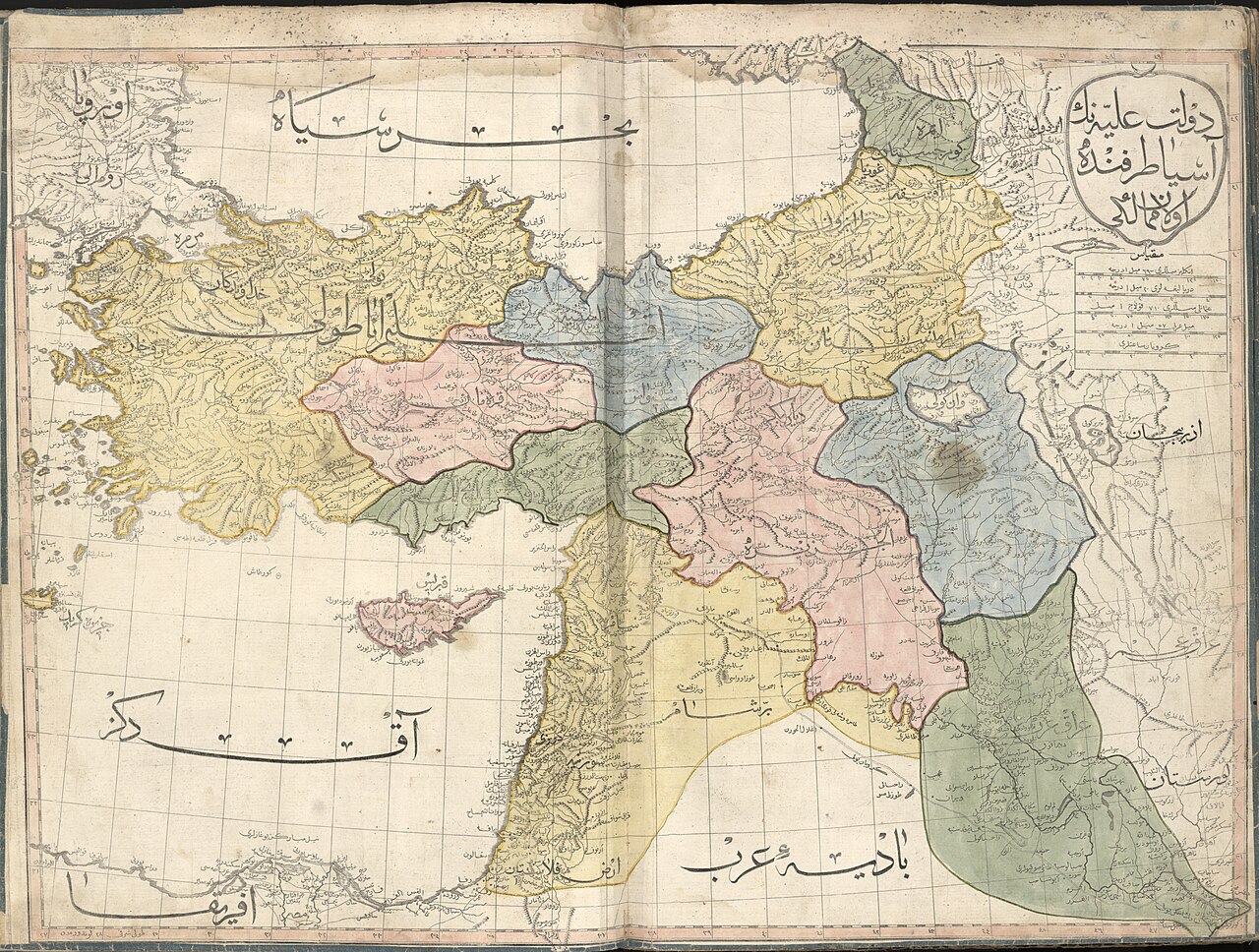
The term traces back through Middle English *est* and Old English *ēast* to the Proto-Germanic root *aus-to-* or *austra-*, meaning "east" or "toward the sunrise." This root comes from the Proto-Indo-European *aus-*, meaning "to shine" or "dawn." Similar formations appear in other languages: Latin *oriens* (east, sunrise) from *orior* (to rise), Greek *anatolé* (east) from *anatéllō* (to rise), and Hebrew *mizraḥ* (east) from *zaraḥ* (to rise, to shine). The Germanic dawn goddess Ēostre may have personified both dawn and the cardinal points. During the Middle Ages, east was called the Orient and was abbreviated as O on maps and compasses. Today, it is often shortened to E.
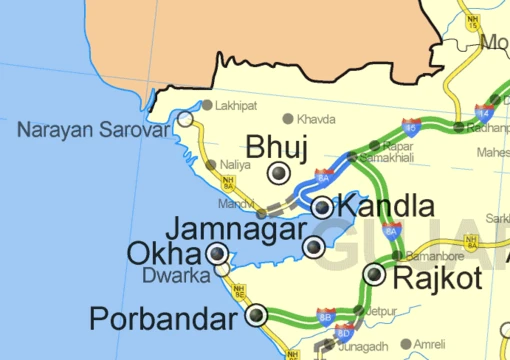
On standard maps, east is conventionally on the right-hand side, a practice derived from compasses that place north at the top. For planets like Venus and Uranus, which rotate retrograde, east is on the left. To navigate east with a compass, one sets a bearing or azimuth of 90°.
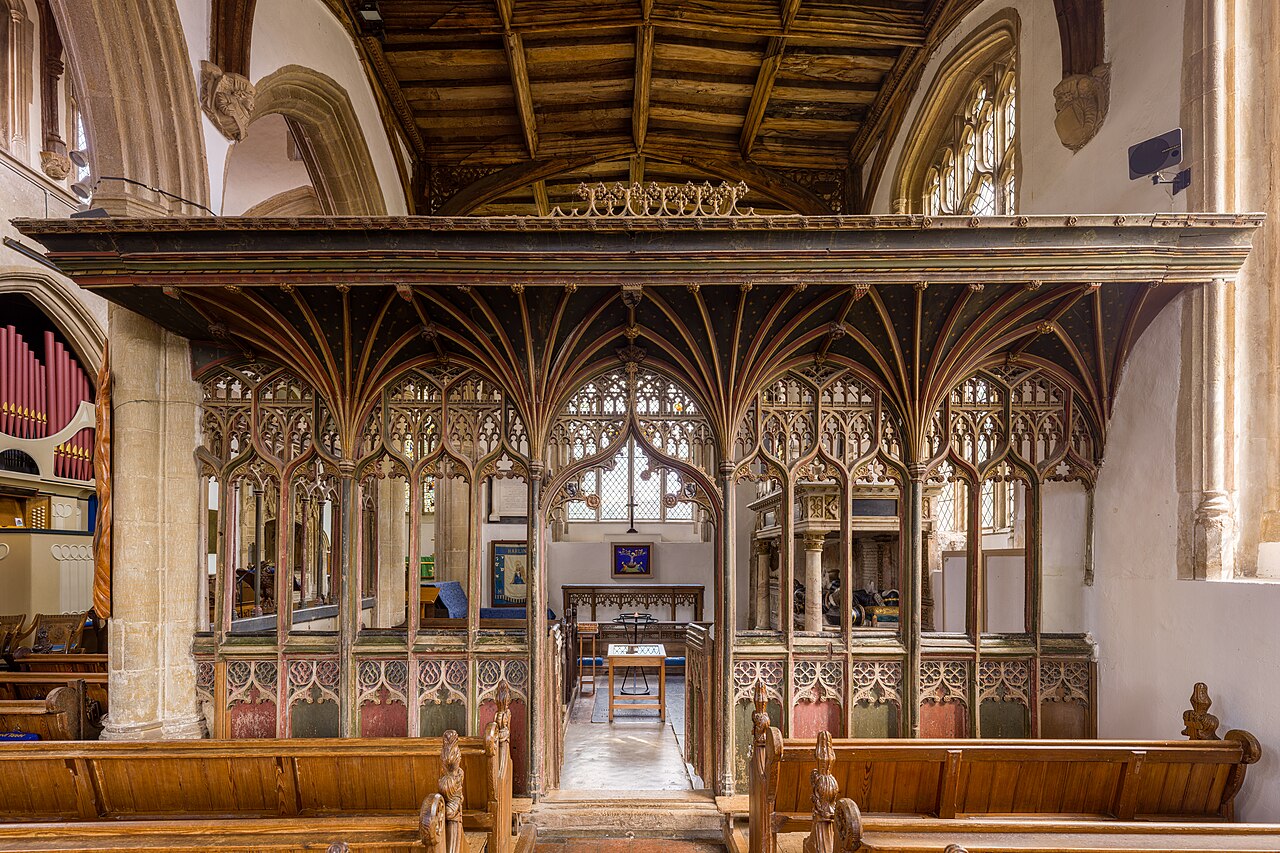
Culturally, east is the direction of Earth’s rotation and thus where the Sun appears to rise. Praying toward the east predates Christianity, but the religion adopted the practice because the Orient was considered humanity’s original home. Consequently, Christian churches have traditionally been oriented with the altar on the liturgical east. The Orient refers to the Eastern world relative to Europe—a metonym for Asia, divided into the Far East, Middle East, and Near East. Despite this Eurocentric origin, these regions lie east of Earth’s geographical center. One study suggests that in a Northern Hemisphere city, the east end tends to be poorer, as prevailing winds blow from the west.
- field
- Cardinal direction
- known_for
- Direction of sunrise; opposite of west; right-hand side of maps by convention; bearing of 90° on a compass
Lore & Background
East is one of the four cardinal directions, opposite west, and marks where the Sun rises. Its etymology traces through Middle English 'est', Old English 'ēast', Proto-Germanic *aus-to- or *austra-, and Proto-Indo-European *aus- 'to shine' or 'dawn'. Cognates include Old High German *ōstar, Latin 'aurora', and Greek 'ēōs'. Similar formations appear in Latin 'oriens', Greek 'anatolé', and Hebrew 'mariza'. The Germanic goddess Ēostre may have personified both dawn and the cardinal points. In the Middle Ages, east was called the Orient, abbreviated on compasses and maps as O, and sometimes abbreviated as E.
Reader's Guide
East holds significance in navigation, culture, and religion. By convention, the right-hand side of a map is east, derived from compass use placing north at the top; however, on retrograde-rotating planets like Venus and Uranus, the left-hand side is east. To go east using a compass, one sets a bearing or azimuth of 90°. Culturally, east is the direction of Earth's rotation and sunrise. Praying toward the east predates Christianity but was adopted by it, as the Orient was thought to contain mankind's original home; Christian churches have traditionally been oriented with the altar on the liturgical east. The Orient refers to the Eastern world relative to Europe, largely a metonym for Asia, divided into Far East, Middle East, and Near East. One study suggests that within an individual Northern Hemisphere city, the east end is typically poorer because prevailing winds blow from the west.
Did You Know?
- East is the opposite direction from west and the direction from which the Sun rises on Earth.
- The word 'east' comes from Proto-Indo-European *aus- 'to shine' or 'dawn'.
- By convention, the right-hand side of a map is east, but on maps of Venus and Uranus, the left-hand side is east.
- One study suggests that within an individual Northern Hemisphere city, the east end is typically poorer because prevailing winds blow from the west.
Gallery




Frequently Asked Questions
What is East in the context of maps and compass symbols?
East is one of the four cardinal directions marked on a compass rose, representing the point where the Sun rises each day. It sits at a 90° bearing and is positioned on the right-hand side of standard map layouts by long-standing cartographic convention.
Why is East placed on the right side of a map?
By traditional cartographic convention, East is drawn on the right-hand side of a map, which aligns with the direction of Earth's rotation and the daily path of the Sun across the sky. This placement has been standard in Western mapmaking for centuries.
Where does the word 'east' come from?
The term traces back through Middle English 'est' and Old English 'ēast' to Proto-Germanic roots meaning 'toward the sunrise,' ultimately deriving from a Proto-Indo-European root associated with shining or dawn.
More in Maps & Their Symbols 1-24
Spotted an error? Know more?
This is a living reference — every entry is fact-audited, and reader corrections feed straight into our audit queue. Suggest an edit · See this site's audit record